Exploring Mage Game Vol-2 for Real Embroidery Projects
First Impressions: A Playful Design with Educational Flair
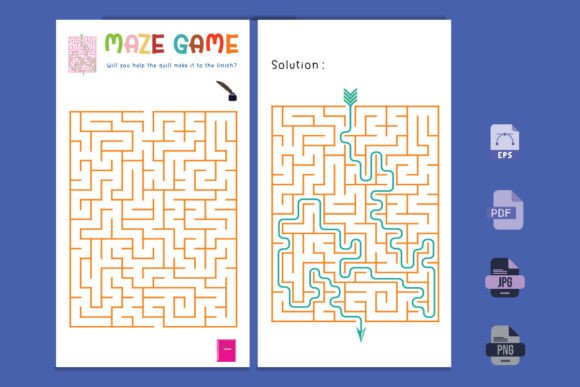
Opening up Mage Game Vol-2, I immediately got the sense that this design was made for kids—but not just any kids. It’s clearly aimed at the 5 to 12 age range, with a maze theme that feels both fun and subtly educational. The layout is clean, with clear lines and a structured path that mimics the kind of activity pages you’d find in a school workbook. It’s not flashy or overly decorated, which makes it versatile for embroidery use.
The design has a quiet charm. It’s not the kind of thing that jumps off the fabric, but it carries a subtle visual personality that works well for understated, thoughtful projects. I could see this being used in a custom embroidered tote bag for a school event or as a personalized touch on a child’s sweatshirt. The key here is balance—it’s detailed enough to engage a child’s curiosity but not so complex that it becomes overwhelming when stitched out.
Real-Life Embroidery Use: From Tote Bags to Baby Clothes
I tested Mage Game Vol-2 on a few different materials to see how it would translate from digital file to stitched reality. Starting with a medium-weight cotton tote bag, the design held up nicely. The lines were crisp, and the maze itself remained legible even at a reduced size. Stitch density was consistent, and there were no obvious issues with thread pull or distortion.
Next, I tried it on a baby onesie. This is where I started to notice some limitations. The fine lines of the maze can get lost on stretchy fabrics if not stabilized properly. I had to use a lightweight cutaway stabilizer to keep the design from puckering. Even then, the smaller turns in the maze weren’t as sharp after stitching as they were digitally. Still, for a quick personalized gift—like a baby shower present or a custom birthday item—it worked well enough.
On a dark-colored sweatshirt, the design needed a bit more contrast. I switched to white thread for the outline and added a light gray fill to make the maze stand out. That helped a lot. It’s important to remember that Mage Game Vol-2 is essentially a line art design, so without thoughtful thread color choices, it can disappear into the background.
Where to Use It Carefully: Fabric and Fit Considerations
This design doesn’t perform equally well in every context. On curved surfaces like baseball caps, the maze lost some of its clarity. The tight corners didn’t stitch cleanly over the crown of the cap, and the lines became slightly distorted. If you’re planning to use Mage Game Vol-2 on a curved hoop or a cap frame, test it on a similar shape first.
It also doesn’t handle very small hoop sizes well. The maze needs space to breathe. Trying to scale it down below 3 inches made the paths too narrow and hard to distinguish. If you’re working with a tiny hoop for a baby bib or a small patch, you may need to simplify the design or choose a different file altogether.
Dark or textured fabrics are another area to watch. The design lacks bold elements, so it can blend in or get lost in the weave. I’d recommend adding a satin-stitched border or a subtle fill around the maze to help it pop. That small change can elevate the whole look and make the embroidered piece feel more intentional.
Design Impact: Visual Appeal and Product Value
One of the biggest strengths of Mage Game Vol-2 is its adaptability. Because it’s a single-color line art design, it fits easily into a variety of color schemes and fabric types. That makes it ideal for small business owners and Etsy sellers who want to offer customizable embroidered items without needing to manage complex thread changes.
From a visual standpoint, it adds a touch of playfulness without being too childish. That’s a fine line to walk, especially when designing for older kids or creating boutique-style products. It’s not just a novelty design—it can carry a message of creativity and learning, which makes it a smart choice for educators, after-school programs, or themed merchandise.
As a reviewer, I also considered how customers might react to seeing this on a finished product. Parents are likely to appreciate the subtle educational angle, and kids will enjoy the interactive element. It’s a design that invites engagement, which is always a plus for handmade items or personalized gifts.
Practical Notes for Embroidery Designers
If you’re considering using Mage Game Vol-2 in your embroidery work, here are a few things I’d recommend:
- Test on scrap fabric first—especially if you’re using stretchy or textured materials.
- Review thread color contrast carefully, especially on dark backgrounds.
- Check stitch density—this design is mostly outlines, so it’s easy to under-stitch if you’re not careful.
- Confirm hoop size before stitching to ensure the maze fits without distortion.
- Inspect small details like the tightest corners of the maze to make sure they’ll hold up after stitching.
- Try a black and white mockup to see how the design reads without color.
- Compare light and dark fabric backgrounds to see which gives the best visual pop.
- Use proper stabilizer—especially when working with stretchy or thin fabrics.
- Confirm licensing if you’re selling finished items or digital embroidery files.
Final Thoughts: A Thoughtful Addition to Your Design Toolkit
Mage Game Vol-2 isn’t a showstopper design, but it doesn’t need to be. It’s a quiet, functional embroidery file that works well in a variety of real-life projects. Whether you’re creating personalized gifts, custom apparel, or printable mockups for digital product sellers, this design has enough flexibility to be useful without being overwhelming.
As with any embroidery file, success depends on how you use it. Mage Game Vol-2 rewards thoughtful application—choose the right fabric, stabilize properly, and consider thread contrast, and you’ll end up with a clean, engaging embroidered piece that stands out in a subtle, smart way.